Schindler Factory Exhibition: Kraków Under Nazi Occupation 1939–1945
Housed inside the former administrative building of Oskar Schindler’s Enamel Factory, this permanent exhibition is one of the most moving museum experiences in Kraków. While the story of Oskar Schindler and the people he saved runs through the exhibition as its emotional core, the museum itself is not a film set or a reconstruction of the factory from Schindler’s List. Instead, it presents a deeply immersive, city-wide story about how Kraków and its residents – Jewish and non-Jewish alike – lived, suffered, and resisted under Nazi occupation.
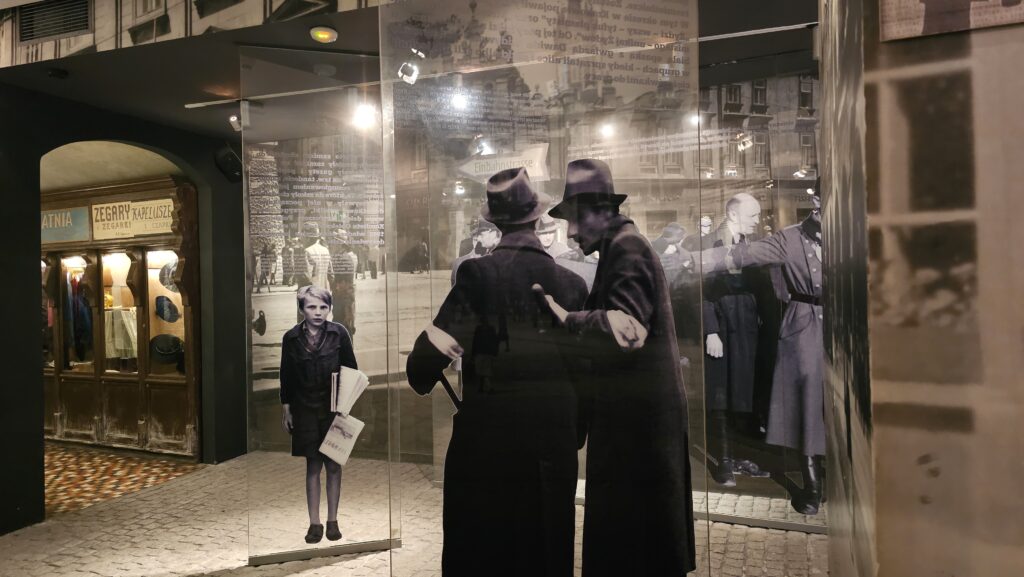
The exhibition unfolds across dozens of interconnected rooms, recreating the transformation of pre-war Kraków into a city ruled by fear and propaganda. Multimedia installations, reconstructed interiors, archival photographs, newsreels, and sound effects draw visitors into the rhythm of everyday life between 1939 and 1945. You walk through cobbled streets, cramped apartments, and offices marked with Nazi insignia; you hear German announcements echoing from loudspeakers and whispers of the underground resistance.
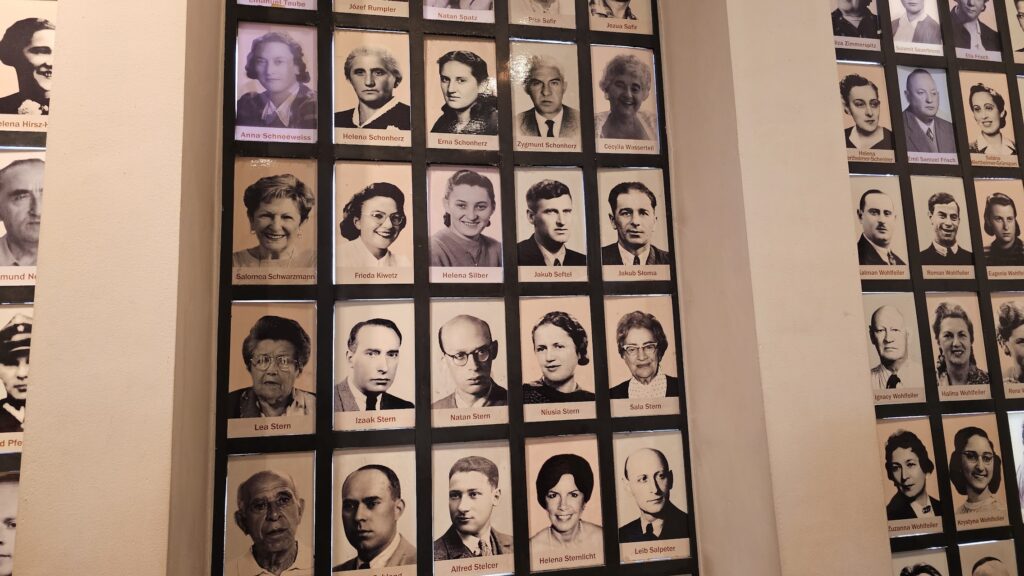
One of the most haunting sections recreates the Kraków Ghetto, showing the isolation, loss, and despair experienced by thousands of Jewish residents. Further on, the exhibition highlights the fate of factory workers saved by Oskar Schindler – their names, faces, and testimonies forming the human centre of the story.
Rather than offering a simple narrative of heroism, the museum focuses on the broader experience of occupation: oppression, moral choices, and survival. It invites reflection on how an ordinary European city became a stage for both cruelty and courage.
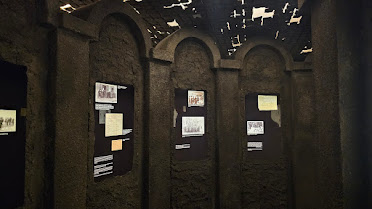
Visitors should note that the Schindler Factory Exhibition is not a preserved factory floor, but a modern historical installation – designed to help you feel and understand wartime Kraków through emotion, sound, and atmosphere. It is a journey through history rather than a static display.
Frequently Asked Questions abut Schindler Factory Exhibition
Practical Information
Practical Information
Address: Lipowa 4, Kraków
Branch of: Museum of Krakow (Muzeum Krakowa)
Exhibition title: Kraków Under Nazi Occupation 1939–1945
Opening hours: The museum is open daily except Mondays. Opening times may vary seasonally – check the current schedule on the official website of the Museum of Krakow.
Admission: Paid entry. From January 2026, all tickets to the Schindler Factory Museum are personalised (issued in the visitor’s name). Visitors must present a valid ID matching the name on the ticket upon entry. Tickets can be purchased online in advance or at the museum ticket office, subject to availability.
Recommended visit time: 90–120 minutes
Accessibility: The museum is fully accessible to visitors with limited mobility.
Languages: The permanent exhibition is presented in Polish and English; guided tours in other languages are available with advance booking.
Note: Due to high visitor numbers, advance booking is strongly recommended, particularly during weekends and holidays.